



Meniscus Tear: Symptoms, MRI Diagnosis and Treatment Options
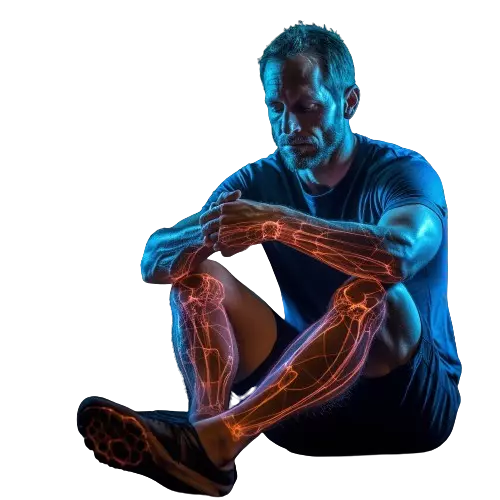
Knee pain after a sudden twist, swelling that appears later, clicking, or a feeling that the knee catches or locks can raise concern about a meniscus tear. The meniscus is a pair of crescent-shaped pieces of tough cartilage inside the knee. They help distribute load, absorb shock and support joint stability. A tear may happen during sport, after a fall or through gradual age-related tissue changes.

What does the meniscus do?
Each knee has an inner (medial) and outer (lateral) meniscus. These structures sit between the thigh bone and shin bone. They help the knee manage body weight during walking, running, squatting and turning. Preserving as much healthy meniscal tissue as possible is an important consideration when treatment is needed.
How does a meniscus tear happen?
- Sports-related injury: A sudden pivot, turn, deep bend or change of direction while the foot is planted can injure the meniscus.
- Everyday movement: A relatively minor twist may cause a tear in tissue that has become weaker with age.
- Combined injury: A meniscus tear can occur alongside ligament damage, including an ACL injury.
Common signs and symptoms
- Pain or tenderness along the inner or outer joint line.
- Swelling and stiffness, sometimes developing over the next one to three days.
- Clicking, catching or a sensation that something is stuck inside the knee.
- Difficulty bending or fully straightening the knee.
- A feeling that the knee may give way.
These symptoms are not unique to a meniscus tear. Ligament injuries, cartilage damage and arthritis can cause similar problems. A person may still be able to walk after a tear, so the ability to bear weight does not rule it out.

How is a meniscus tear diagnosed?
The assessment usually includes the history of the injury, where the pain is felt, swelling, movement and stability. The clinician may use specific examination manoeuvres, such as joint-line tenderness and meniscal tests. No single physical test should be interpreted in isolation.
X-rays do not show the meniscus itself, but they can help identify bone injury or arthritis. MRI is commonly used when imaging is needed to assess the meniscus and other soft tissues. The scan findings must be interpreted alongside symptoms and examination because some people have meniscal changes on MRI without symptoms.
Meniscus tear treatment: is surgery always required?
No. Treatment depends on age, activity level, tear pattern, location, associated injuries, symptoms and whether the knee is mechanically locked. Many tears do not require immediate surgery.
Non-surgical management
For selected tears, initial care may include temporarily reducing activities that trigger pain, managing swelling, and a structured physiotherapy programme to restore movement and strengthen the muscles around the knee. A clinician may recommend pain-relief measures after reviewing medical history and other medicines. Avoid returning to pivoting sports while the knee remains swollen, unstable or painful.
When might arthroscopy be considered?
If symptoms persist despite appropriate rehabilitation, or if there is a displaced tear causing a genuinely locked knee, an orthopaedic surgeon may discuss arthroscopic treatment. Depending on the tear pattern and tissue quality, options may include repairing the meniscus or trimming only the unstable damaged portion. Repair is not suitable for every tear, but preserving functional meniscal tissue is an important goal because removing tissue can affect long-term joint loading.
Recovery and rehabilitation
Recovery depends on the injury and treatment. A patient managed without surgery may progress through swelling control, movement restoration and strengthening. After meniscus repair, weight-bearing and knee movement may be restricted for a period to protect healing tissue. Return to running, work or sport should be guided by symptoms, strength, movement and the surgeon’s rehabilitation protocol rather than a fixed calendar alone.

What should you avoid after a suspected tear?
- Do not repeatedly twist or deeply squat on a painful, swollen knee.
- Do not try to force a knee straight if it is mechanically locked.
- Do not assume every MRI-reported tear needs surgery.
- Do not resume sport simply because the initial pain has reduced.
When is urgent assessment needed?
Seek prompt medical care if you cannot bear weight, cannot bend or straighten the knee, have severe pain after an injury, or the knee becomes hot and markedly swollen. Fever with a hot swollen joint needs urgent assessment. A visible deformity, new numbness or loss of sensation after trauma also requires urgent medical attention.
Frequently asked questions
Can a meniscus tear heal on its own?
Some tears, particularly in areas with better blood supply, may settle or heal. Others may remain symptomatic. The pattern and location matter.
Can I walk with a torn meniscus?
Some people can walk, especially soon after injury. Walking ability does not confirm or exclude a tear.
Does every meniscus tear need an MRI?
No. Imaging is selected after clinical assessment. MRI is useful when the result is likely to influence diagnosis or treatment.
Is meniscus repair better than removal?
When a tear is repairable, preserving meniscal tissue is generally an important aim. Repair is not possible or appropriate for every tear.
How soon can I return to sports?
Timing varies with the injury and treatment. Return should be based on pain, swelling, movement, strength and functional testing.
For more information about knee assessment, see knee pain management and ligament injuries and arthroscopic surgery.
When to seek medical advice
Arrange an orthopaedic assessment if pain, stiffness, swelling, weakness or restricted movement persists, returns repeatedly, or interferes with sleep, work, walking or daily activities. Seek urgent medical care after a significant injury if you cannot use the affected limb, have severe or rapidly increasing pain, visible deformity, loss of sensation, or a hot swollen joint with fever.
Consultation in Kolkata
For an individual assessment and guidance on appropriate next steps, you may contact Dr. Gautam Gupta, Orthopaedic Surgeon, Kolkata. The appropriate treatment depends on the clinical examination, medical history and relevant investigations. Please confirm the current consultation venue and appointment schedule before visiting.
Appointment: +91 62917 71106
Website: Contact Dr. Gautam Gupta
Trusted medical references
- AAOS OrthoInfo: Meniscus Tears
- AAOS Clinical Practice Guideline: Acute Isolated Meniscal Pathology
- NHS: Meniscus Tear
This article is intended for general educational purposes only and should not replace professional medical consultation, diagnosis or treatment. Individual treatment decisions should be made after evaluation by a qualified healthcare professional.