




Sciatica: Causes, Symptoms, Warning Signs and Treatment
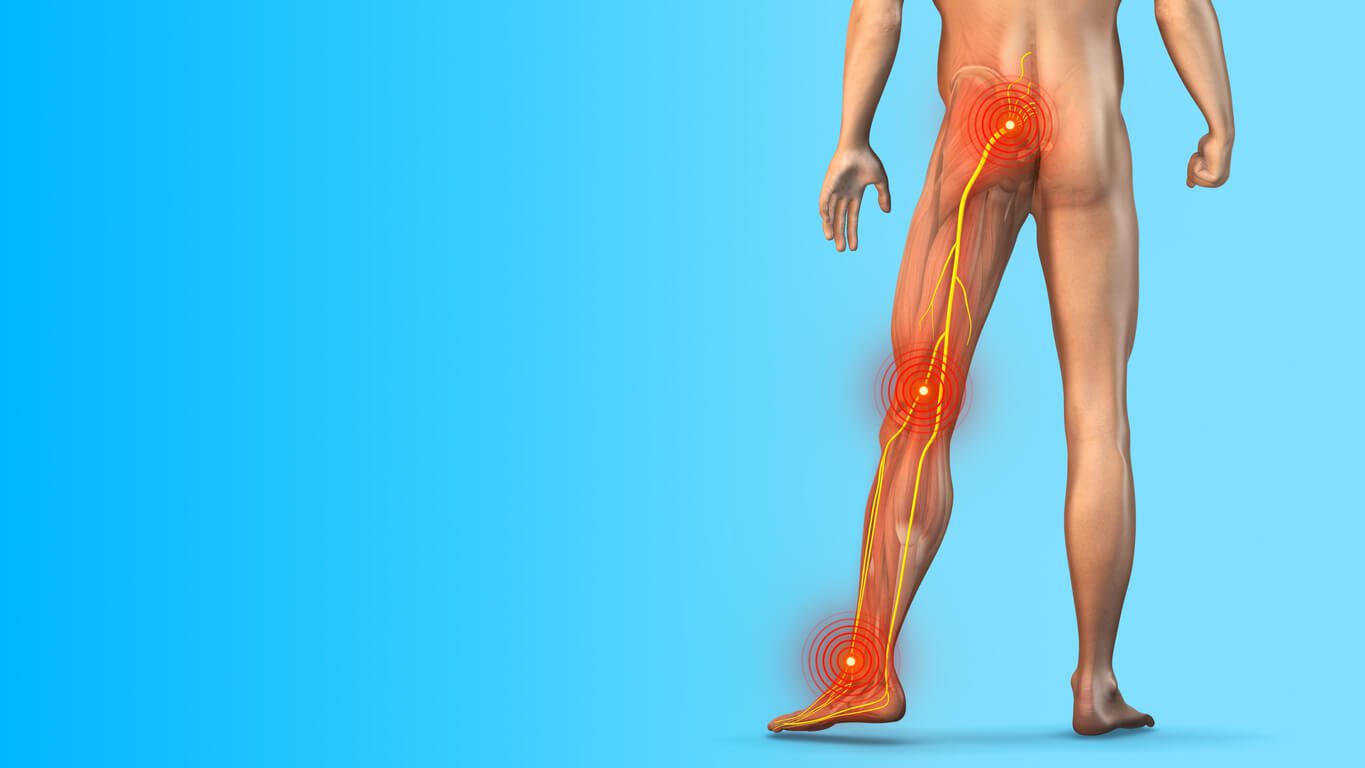
A sharp, burning or electric-shock-like pain that travels from the lower back or buttock down one leg may be sciatica. It can be accompanied by tingling, numbness or weakness. Sciatica describes symptoms caused by irritation or compression of nerve roots that contribute to the sciatic nerve; it is not a diagnosis of one specific disease. Identifying the underlying cause helps guide appropriate care.

What is sciatica?
The sciatic nerve is formed from nerve roots in the lower spine and travels through the buttock and down each leg. When one of these nerve roots becomes irritated or compressed, pain and other nerve symptoms may follow its pathway. Symptoms commonly affect one side, although patterns can vary.
Common symptoms
- Pain travelling from the lower back or buttock into the back or side of the thigh and leg.
- Burning, shooting or electric-like pain.
- Tingling or pins-and-needles in the leg or foot.
- Numbness or weakness in part of the leg.
- Pain that may worsen with certain movements, coughing or sneezing.
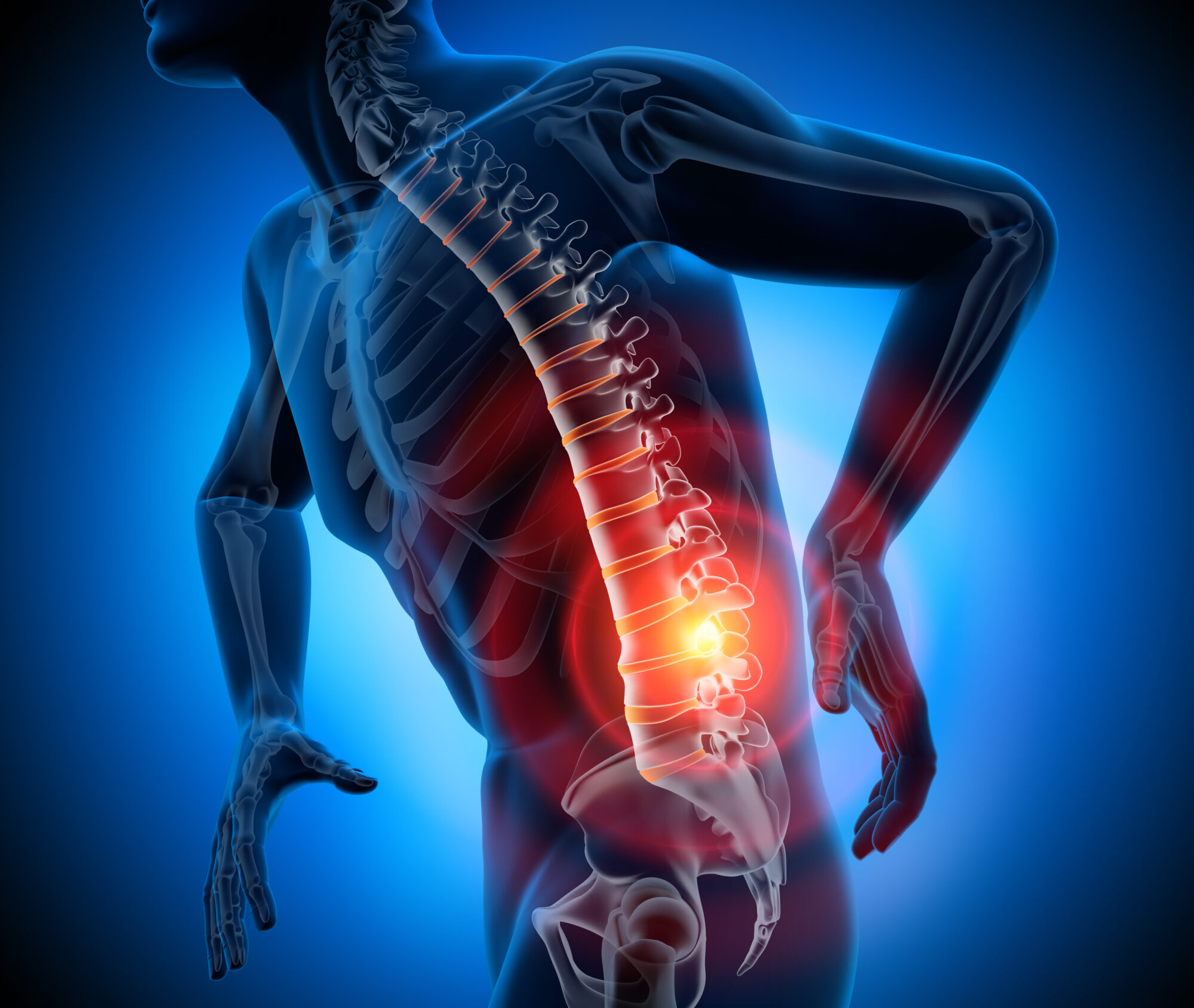
Back pain can occur, but leg pain is often the more noticeable symptom. Pain limited to the lower back alone is not necessarily sciatica.
What causes sciatica?
A herniated or slipped disc is a common cause: disc material can irritate a nearby nerve root. Other causes include narrowing of the spinal canal (spinal stenosis), age-related changes around the spine, spondylolisthesis or an injury. The cause cannot be determined reliably from symptoms alone.
How is sciatica assessed?
A clinical assessment includes the history of pain, its distribution, changes in sensation, muscle strength, reflexes and movement. The clinician may perform tests that stretch or load the nerve pathway. Imaging is not routinely necessary for every episode. MRI may be considered when symptoms are severe or persistent, when there are progressive neurological findings, or when the result is likely to change treatment. Emergency warning signs require immediate evaluation rather than waiting for routine imaging.
Treatment options
Many episodes improve over time, although the duration and recurrence risk vary. Treatment is guided by the cause, symptom severity, neurological findings and the person’s overall health.
Stay gently active
Prolonged bed rest is generally not helpful. As tolerated, continue ordinary activities and introduce gentle movement. Short walks may be easier than long periods of sitting. Adjust activity to avoid movements that sharply worsen symptoms.
Physiotherapy and exercise
A physiotherapist may recommend an individual programme to improve movement, strength and confidence with activity. The right exercises depend on the cause and the person’s examination. Stop and seek advice if an exercise produces worsening weakness, spreading numbness or severe pain.
Pain management
Medication decisions should consider medical history, kidney and stomach health, other medicines and possible side effects. Some commonly used pain medicines have limited benefit for sciatica and may not be suitable for everyone. Do not start, combine or continue medicines without appropriate advice.
Injections or surgery
For selected people with persistent severe symptoms, a specialist may discuss an injection or surgery to relieve pressure on a nerve. Surgery is not required for every case. It may be considered when symptoms, examination and imaging show a problem that is likely to benefit from an operation, or when serious neurological signs are present.
Red flags: when sciatica may be an emergency
Seek emergency medical care immediately if you develop new difficulty starting urination, inability to pass urine, loss of bladder or bowel control, numbness around the genitals or anus (saddle area), or severe/progressive weakness or numbness in both legs. These can indicate serious nerve compression, including cauda equina syndrome, which needs urgent assessment. Do not wait for a routine appointment.

Practical steps while recovering
- Change position regularly rather than sitting or lying down for long uninterrupted periods.
- Use gentle activity that does not significantly aggravate symptoms.
- Ask for advice before lifting heavy objects or returning to strenuous exercise.
- Keep track of changes in strength, sensation, walking and bladder or bowel function.
- Arrange a review if pain is worsening, not improving over several weeks or interfering with normal activities.
Frequently asked questions
Is sciatica the same as back pain?
No. Sciatica involves symptoms related to irritation of nerve roots, commonly with pain travelling down the leg. Back pain alone has many possible causes.
Can sciatica go away without surgery?
Many cases improve with time and non-surgical care. The appropriate approach depends on the underlying cause and examination findings.
Should I stay in bed?
Unless a clinician advises otherwise for a specific reason, gentle movement and continuing normal activities as tolerated are generally preferable to prolonged bed rest.
When should I get an MRI?
Not everyone needs one. MRI is considered when symptoms or examination findings suggest it will change management, or when serious features need investigation.
What symptoms need emergency attention?
New bladder or bowel problems, numbness around the saddle area, or severe/progressive weakness—particularly in both legs—need immediate emergency assessment.
Read more about spine conditions and surgical care and use the contact page to confirm consultation arrangements.
When to seek medical advice
Arrange an orthopaedic assessment if pain, stiffness, swelling, weakness or restricted movement persists, returns repeatedly, or interferes with sleep, work, walking or daily activities. Seek urgent medical care after a significant injury if you cannot use the affected limb, have severe or rapidly increasing pain, visible deformity, loss of sensation, or a hot swollen joint with fever.
Consultation in Kolkata
For an individual assessment and guidance on appropriate next steps, you may contact Dr. Gautam Gupta, Orthopaedic Surgeon, Kolkata. The appropriate treatment depends on the clinical examination, medical history and relevant investigations. Please confirm the current consultation venue and appointment schedule before visiting.
Appointment: +91 62917 71106
Website: Contact Dr. Gautam Gupta
Trusted medical references
- NHS: Sciatica
- Mayo Clinic: Sciatica Symptoms and Causes
- Mayo Clinic: Sciatica Diagnosis and Treatment
This article is intended for general educational purposes only and should not replace professional medical consultation, diagnosis or treatment. Individual treatment decisions should be made after evaluation by a qualified healthcare professional.